Advancing liver science through regular academic workshops, ERCP/EUS masterclasses, nationwide clinical seminars, and public awareness campaigns.
"PSH aims to provide undergraduate and postgraduate training through regular academic workshops, ERCP/EUS workshops, refresher courses for specialists and practice/training sessions for general practitioners. These activities are held under the leadership of our regional members across the country. This allows area-specific advice to be delivered effectively especially in areas where a specific liver pathology is more prevalent than the rest of the country. Our ERCP/EUS workshops are traditionally held in collaboration with specialist trainers both from Pakistan and our foreign faculty, aiming to improve key skillsets. Our training workshops for general practitioners aim to improve disease detection, treatment and referral times."
Supporting FCPS & MD gastroenterology fellows with specialized liver ICU protocols.
Empowering GPs nationwide to fast-track viral screening and prevent irreversible cirrhosis.
"PSH collaboration with the PARSA/ECHO trust aims to provide public, primary care physician and specialist awareness through regular talks and seminars. The greater social outreach abilities of the PARSA ECHO Trust are a perfect complement to the highly specialized workings of PSH."
Through virtual tele-mentoring, remote clinics, and teleECHO tele-hepatology networks, PSH faculty train healthcare providers in remote districts of Balochistan, rural Sindh, South Punjab, and Khyber Pakhtunkhwa to treat complex Hepatitis C cases with modern direct-acting antivirals (DAAs).
Democratizing specialized hepatology knowledge from tertiary teaching hospitals to basic health units (BHUs).
Regular scientific webinars and consensus meetings with faculty from the US, UK, Europe, and Asia-Pacific.
"PSH regularly conducts training workshops focused on postgraduate trainees in hepatology fellowship programs and specialists. The workshops focus on the latest updates in disease management as well as furthering skills and techniques in high end intervention procedures such as ERCP and EUS."
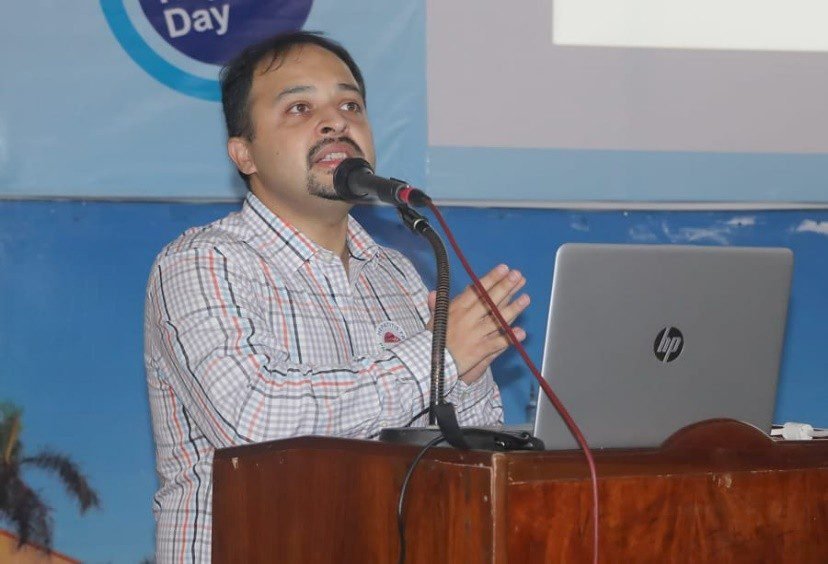
The Pakistan Society of Hepatology routinely conducts physical and online workshops to keep its members up to date with the latest in advanced endoscopy skills and SOPs in disease management. These workshops are held at all our regional centers across Pakistan and have national and international experts on the subject as chief instructors.
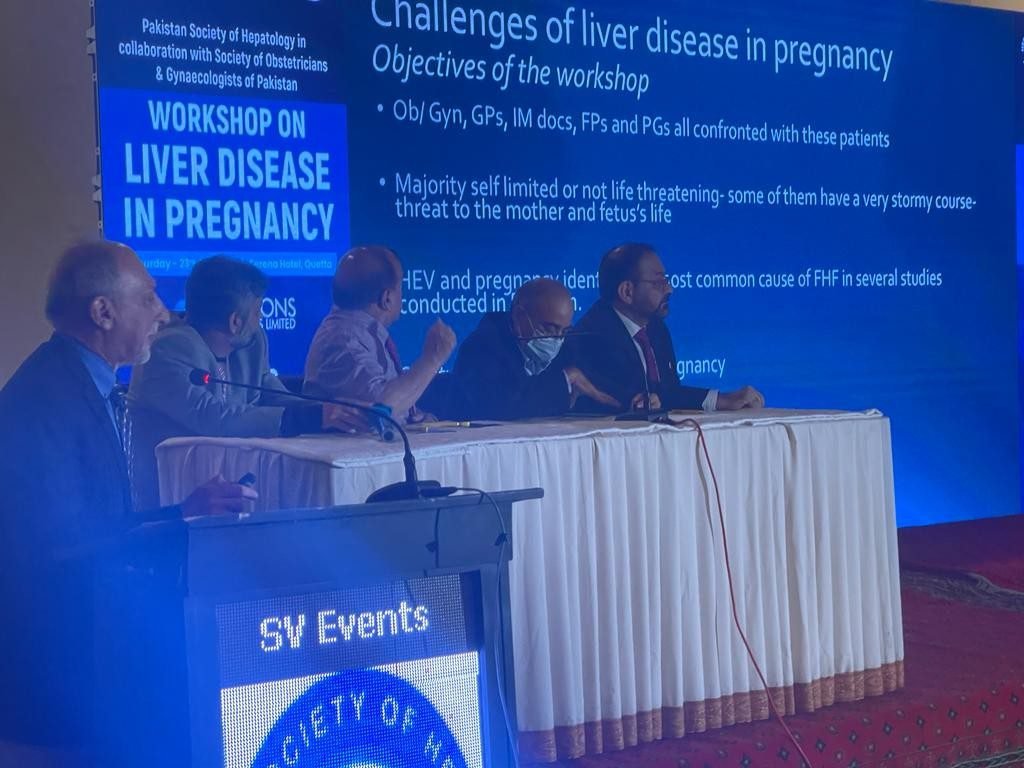
Comprehensive multidisciplinary approach to Intrahepatic Cholestasis of Pregnancy (ICP), Acute Fatty Liver of Pregnancy (AFLP), viral hepatitis transmission, and safe pharmacotherapy.
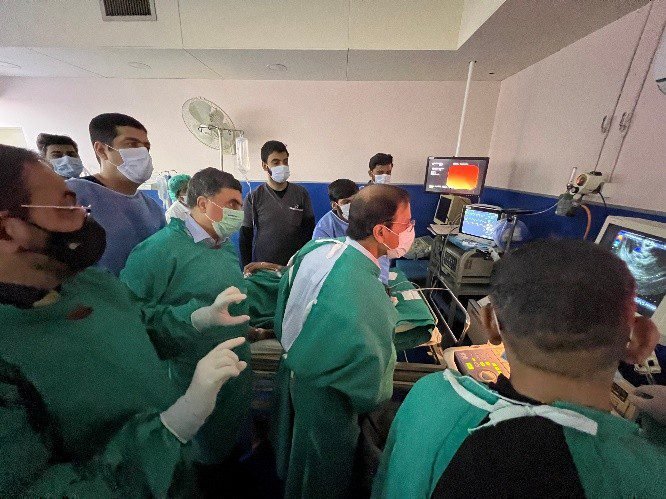
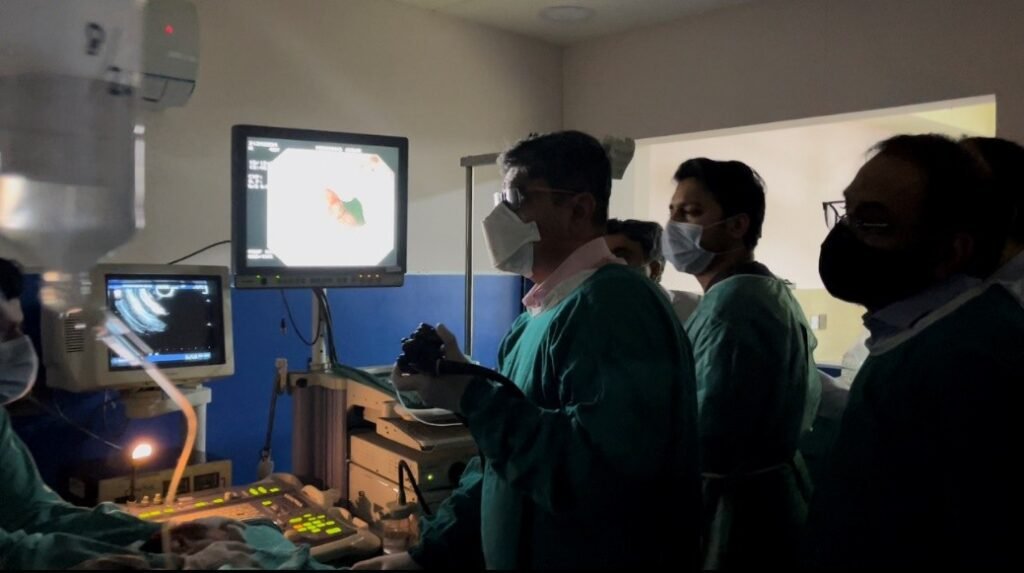
Live case demonstrations and hands-on station training on diagnostic EUS-FNA/FNB biopsy protocols, cyst drainage, and staging under leading senior proctors.
Intensive training for GI fellows on difficult biliary access, wire-guided cannulation, sphincterotomy, stone extraction, and plastic/metal stent deployment.
"Our seminars provide great opportunities for regular, region-specific, countrywide dissemination of the latest in liver disease management. This ensures that a vast number of our primary, secondary and tertiary level physicians get direct access to leading consultants in the country and from our foreign faculty."
By tailoring topics to local epidemiological prevalence (e.g. hepatitis hot-spots in Sindh/South Punjab and non-alcoholic fatty liver disease in urban centers), PSH ensures clinical education matches on-ground patient realities.
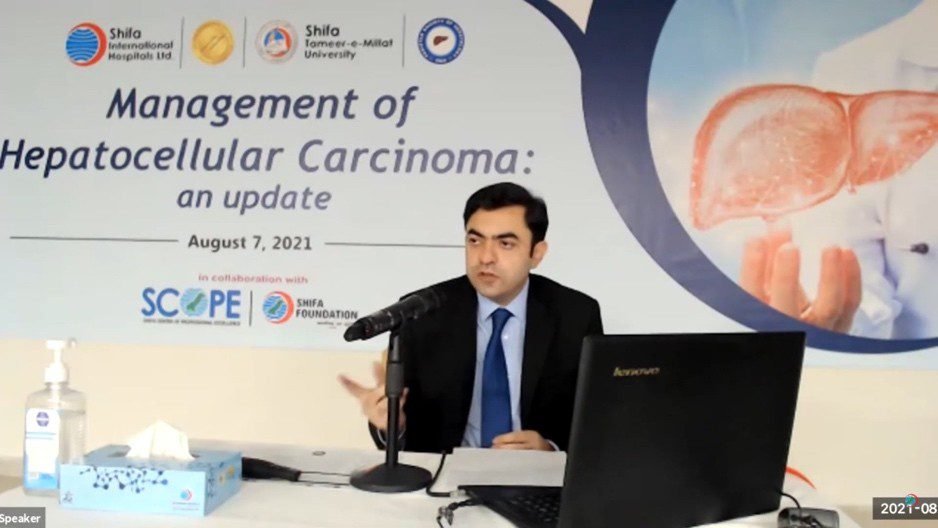
Multidisciplinary oncology symposium discussing surgical resection, Radiofrequency Ablation (RFA), Transarterial Chemoembolization (TACE), and immunotherapy for liver tumors.
Dissemination of viral hepatitis screening algorithms, birth-dose vaccination strategies, and community elimination targets under senior provincial leadership.
Updates on Metabolic Dysfunction-Associated Steatohepatitis (MASH), non-invasive FIB-4 biomarkers, liver stiffness measurement, and modern anti-fibrotic trials.
"Our public awareness programs provide great opportunities to educate the general public and healthcare policy makers about the social and economic impact of liver disease. In addition, they are designed to educate about early disease detection and encourage a professional care seeking behaviour."
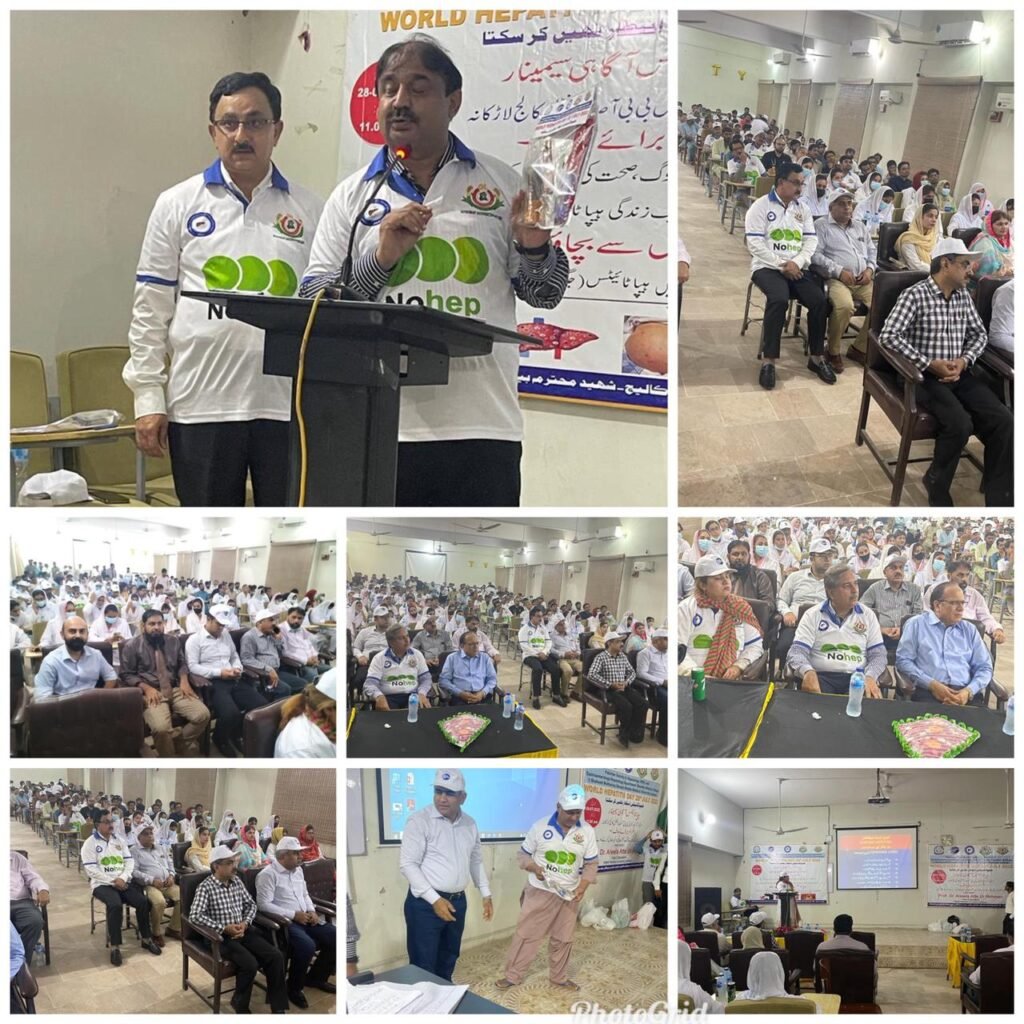
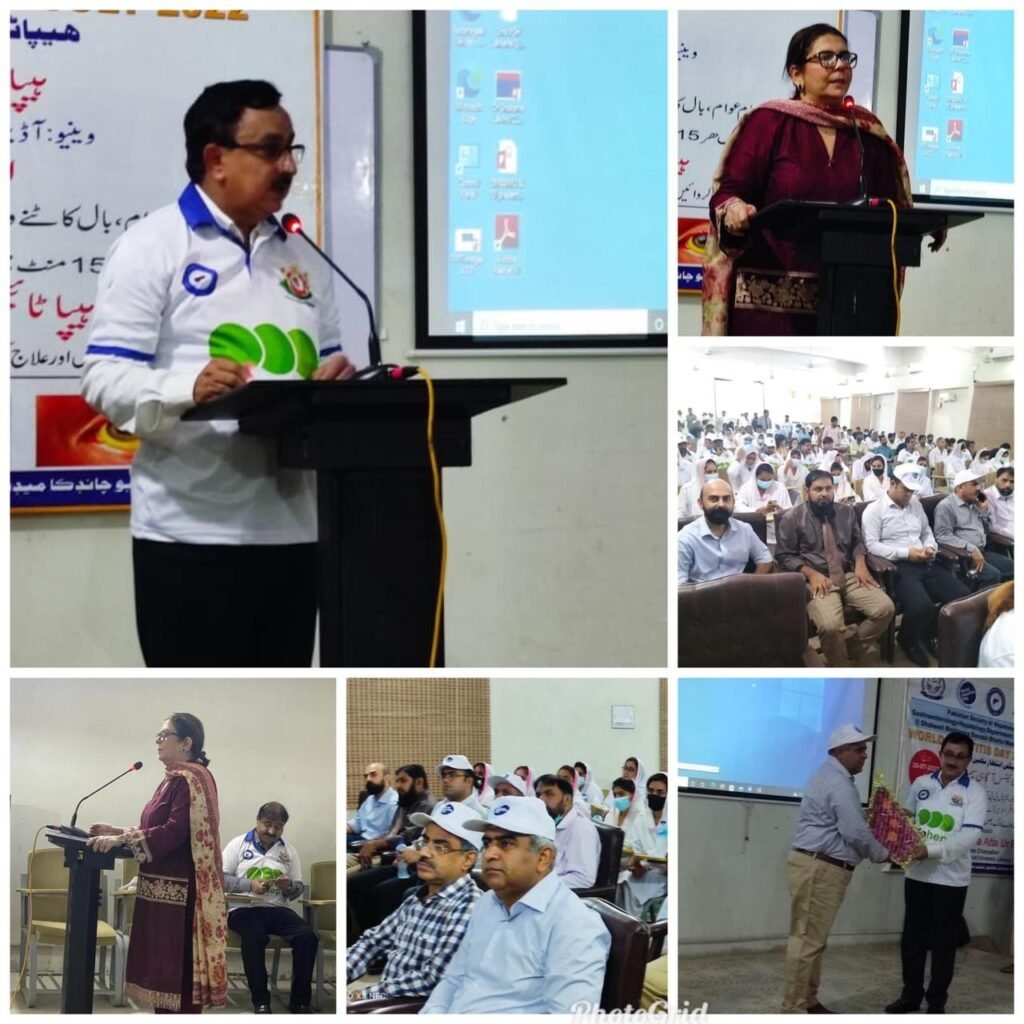
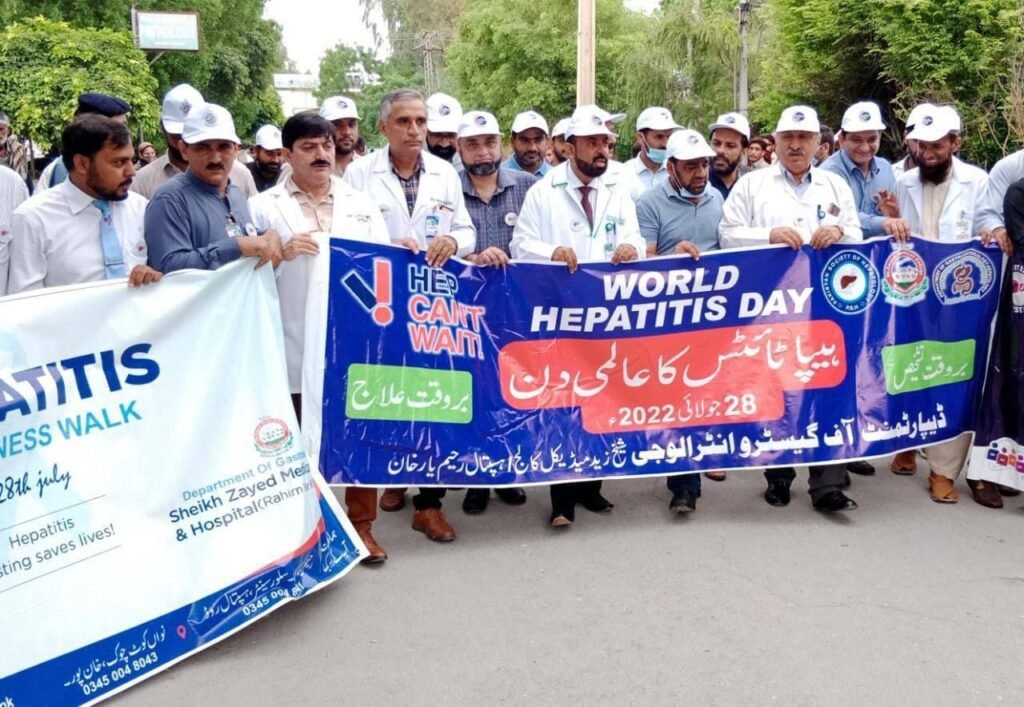
Awareness walks and symposia play a vital role in educating the public about major health issues like hepatitis and liver diseases. These events bring together healthcare professionals, students, and communities to share knowledge and promote preventive measures. Through discussions and participation, they inspire collective action for better health and disease prevention.
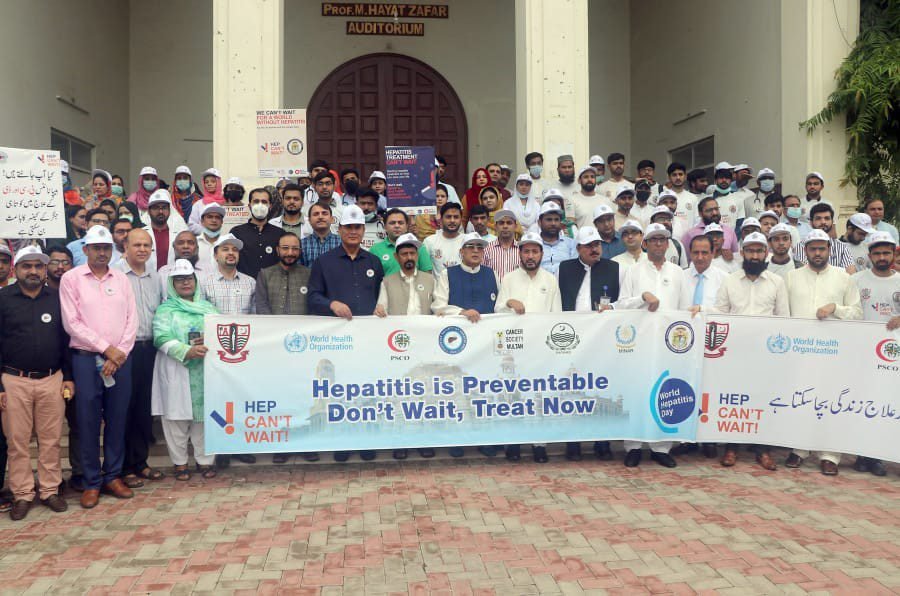
The World Hepatitis Day Walk raises awareness about the global impact of viral hepatitis, safe injections, sanitized barber tools, and regular screening. Participants unite to promote testing, vaccination, and healthy lifestyles.
Community AdvocacyThe Hepatitis Awareness Program educates communities regarding prevention, symptom recognition, and treatment options. It emphasizes early screening, safe health practices, and vaccination to eliminate transmission risks.
Screening & VaccinationLiver disease is a serious condition that can develop silently with few symptoms until decompensation. Early diagnosis through regular check-ups, liver function tests, and healthy weight management halts irreversible damage.
Lifestyle & Diet
"Pakistan Society of Hepatology is working on local guidelines that are specialized and cater to specific issues with the South-Asian population of patients with liver pathologies. This will not mean a re-writing of standard guidelines but rather look at how our population is different in terms of drugs doses tolerance, diagnostics and procedure access and resources available to healthcare providers."
Under this clinical mandate, PSH has formulated customized guidelines for Hepatitis B & C management, cirrhotic ascites, spontaneous bacterial peritonitis (SBP), variceal hemorrhage, and Metabolic Dysfunction-Associated Steatotic Liver Disease (MASLD) tailored to resource-sensitive Pakistani hospital settings.
Adjusting pharmacotherapy protocols for South Asian metabolic genetics and liver enzymes.
Cost-effective point-of-care diagnostics and non-invasive elastography algorithms.